
Shared Regional Approach to Biodiversity
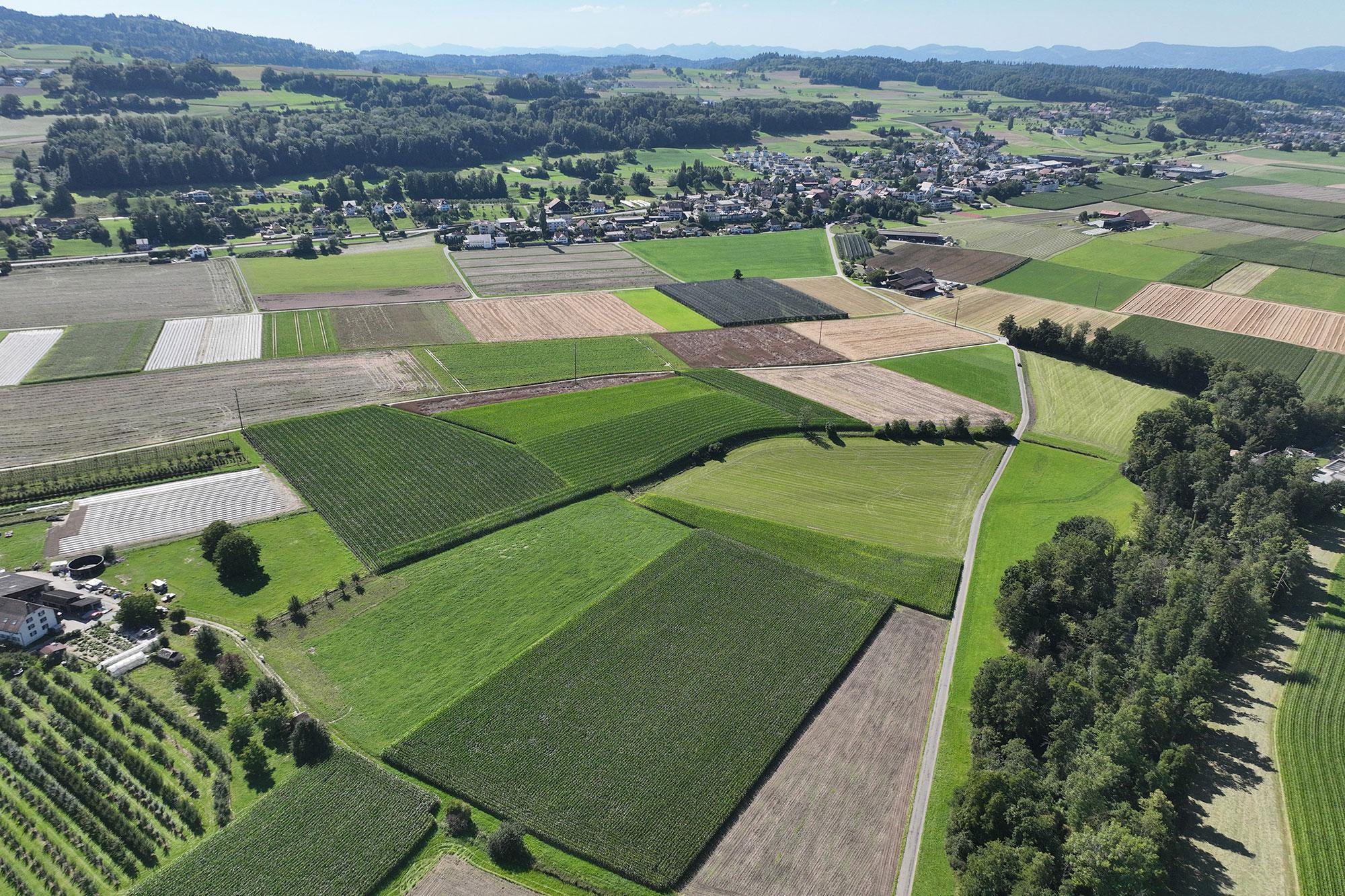
Biodiversity promotion often falters because perspectives remain narrow and dialogue among land and resource users is limited. This project evaluates methods to build a shared regional vision for biodiversity and to design integrated, cross-sectoral measures.
Project description
Objective
The project develops participatory methods that enable stakeholders to jointly address biodiversity at the regional scale. It also produces transferable tools and guidelines. In the case study region Lenzburg-Seetal (canton Aargau), farmers, foresters and conservationists will negotiate the extent and type of semi-natural areas. The goal is the development of a common vision for agriculture, forestry and nature development. Such shared vision helps to identify synergies, reduce conflicts and strengthen cooperation. The project also examines supportive measures - such as incentives and compensation schemes - that enhance acceptance of biodiversity promotion.
Relevance
The approach gives farmers, foresters and other land users a tangible role in shaping ecological infrastructure and production zones, while offering guidance for future strategies. At the same time, it supports the development of integrated policy instruments, increasing acceptance of biodiversity-friendly practices. For conservation actors, the project creates new opportunities for implementation and stimulates public debate on the role of biodiversity in regional development.
Transdisciplinary Approach
An advisory board of key regional stakeholders steers the process. Their input, combined with scientific projections, informs a regional model linking resource use and biodiversity. To include the wider public, residents are surveyed about which landscapes they value most for biodiversity and recreation.
In regional forums, representatives from different groups work out a shared vision for biodiversity and ecosystem services. A second round of forums refines concrete solutions ranging from adapted policy tools to integrated management strategies that distribute responsibilities fairly across sectors and thus stand a greater chance of acceptance.
The project also evaluates how these forums influence learning and willingness to act. In addition, it develops a “serious game” and practical guidelines for transformative change, ensuring that the approach can be applied in other regions.
Original Title
Regional Approach for BiodiVersity visioning and policy intEgratioN (RAVEN)