
From Alpine plants to urban ecology: NRP 82 explores biodiversity in all its facets
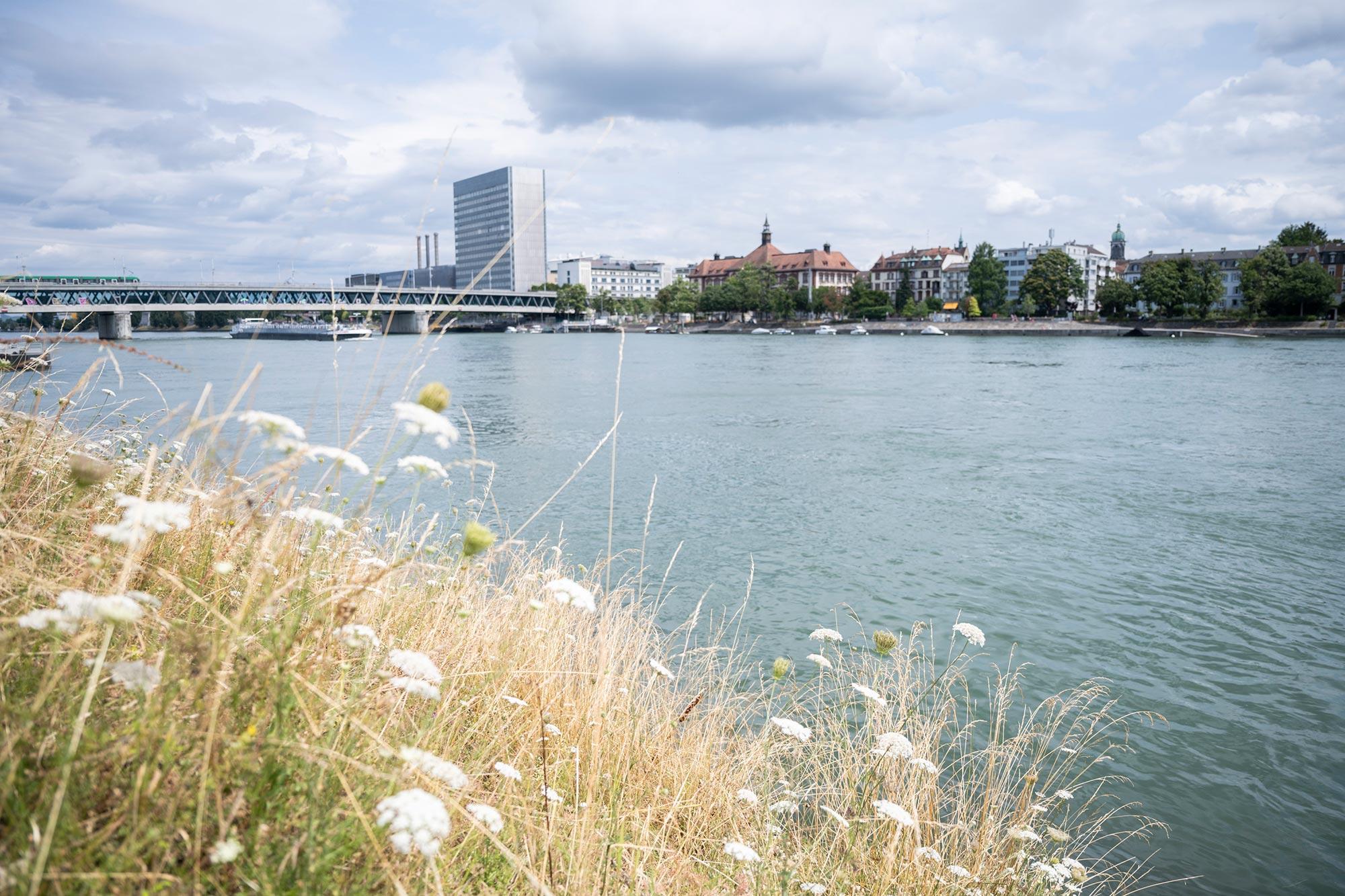
15 research projects are dedicated to the biodiversity of Switzerland. What they have in common: all of them were developed in collaboration with partners from practice, administration and civil society – for research with an impact.
Loss of biodiversity is one of the most urgent challenges of our time. With the National Research Programme ‘Biodiversity and Ecosystem Services’ (NRP 82), the Swiss National Science Foundation is sending out a strong signal: around CHF 11 million is being invested in research into biological diversity and the services that functioning ecosystems provide for society and the economy.
Research with practice – from the very beginning
NRP 82 is committed to transdisciplinary collaboration: all 15 projects were conceived from the outset in collaboration with partners from practice. Cantons, federal offices, nature conservation organisations and companies are not just recipients of research results, but also actively shape the research questions. This ensures that the findings reach the places where they are needed – in agriculture, spatial planning, education and the political decision-making process.
Three modules, five thematic areas
The 15 projects are divided into three thematic modules. The first module, ‘Drivers and Trends,’ examines the factors that influence biodiversity and how species diversity is developing. The ‘Valuations and Visions’ module develops methods for better assessing the value of ecosystem services and for designing future scenarios. The third module, ‘Governance and Transformation,’ addresses the question of how political and social processes can be designed to halt the loss of biodiversity.
The projects cover a wide range of topics: from agriculture to water and forest ecosystems, to species and vegetation research, as well as education and public perception.
Agriculture as a key sector
Several projects focus on agriculture. For example, a research team is investigating how the increased cultivation of legumes and changes in dietary habits can contribute to biodiversity. Another project is exploring how collaborative agri-environmental measures can promote species diversity. Researchers are also looking at how peatlands can be sustainably managed – a topic that combines agriculture, groundwater protection, biodiversity and carbon storage.
Water and forests in transition
Swiss lakes and rivers are the focus of several projects. One team is conducting a national inventory of lake biodiversity and researching how freshwater ecosystems can be made fit for the future. Another project is investigating how biodiversity protection and natural hazard protection can work together in the forest.
Species under pressure
Which plant and animal species will migrate to Switzerland in the future, and how should the law and practice deal with this? This is the question being addressed by a research project. Another group is researching assisted migration of threatened Alpine plants, while a team is working on developing a toolbox to scientifically document changes in the Swiss flora.
City, Society and Education
NRP 82 looks beyond traditional nature conservation. One project is developing new concepts for urban living spaces in collaboration with stakeholders. Researchers at the University of Zurich are investigating how negative narratives about nature can be overcome, while a team at the University of Geneva is exploring what motivates people to engage with biodiversity. The University of Applied Sciences and Arts in Bern is asking what role teachers can play in transforming societal perceptions on biodiversity.