
From Field to Fork: Legumes for Biodiversity
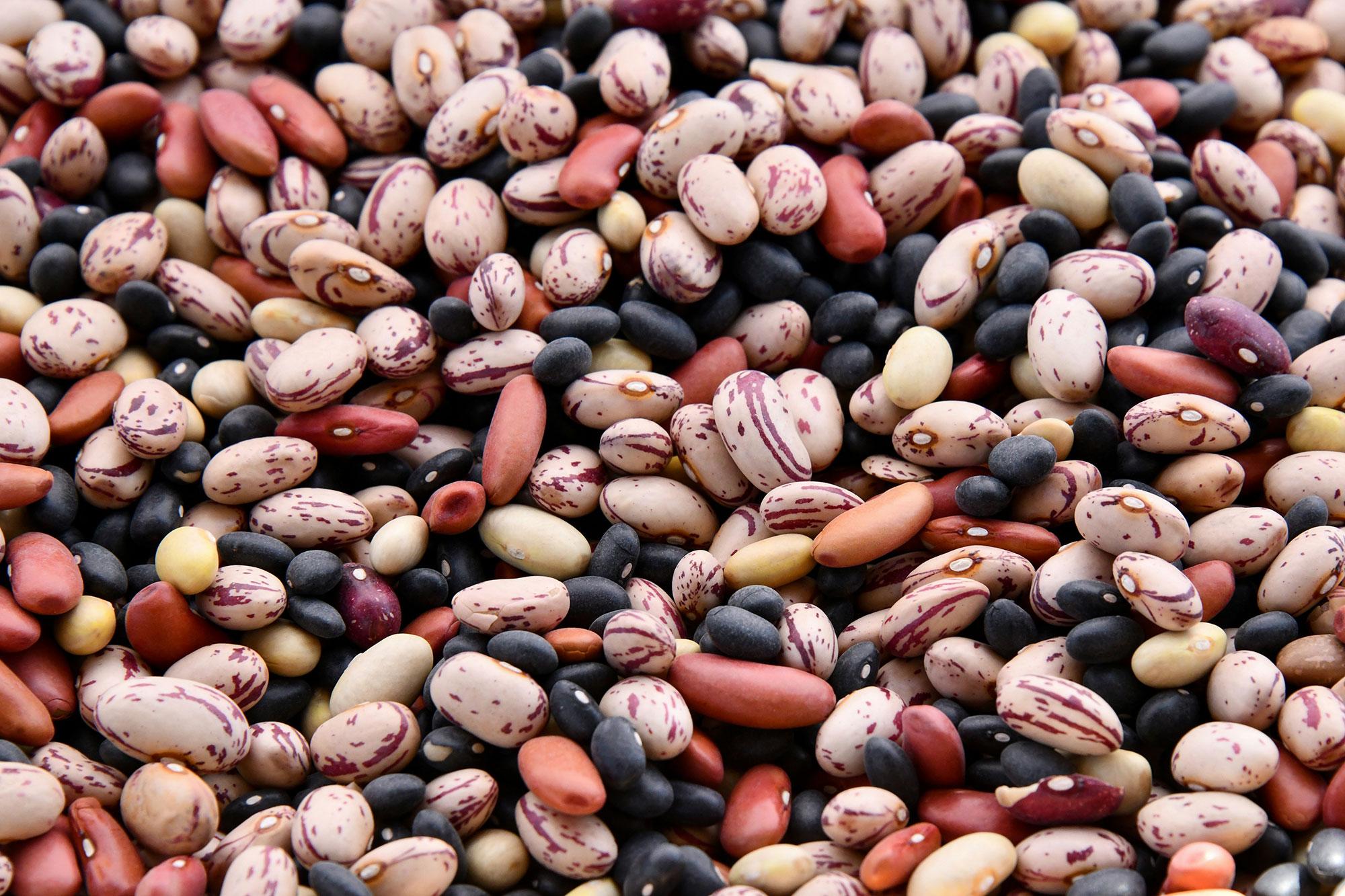
Legumes such as beans, peas, and lentils enrich soils, attract pollinators, and provide healthy plant protein. The project explores how they can make farming and diets more sustainable for both people and biodiversity.
Project Description
Objective
Agriculture sustains society, but it also puts nature under pressure. A major reason is the high demand for meat and other animal-sourced foods, which uses more land than producing plant-based foods. Legumes offer a way forward: they provide protein directly, improve soil health and support insects. Shifting towards more plant-based diets can also reduce environmental impacts abroad. The project examines both farming practices and dietary change to understand how legumes can reduce pressure on ecosystems and strengthen biodiversity in Switzerland and beyond.
Relevance
Food choices and farming practices have a major impact on nature. Meat-rich diets and land-intensive farming put ecosystems at risk, both locally and globally. The cultivation and consumption of legumes can ease this pressure by enriching soils, providing proteins locally, and reducing the need for imported food and feed. The project investigates how the cultivation of beans, peas, lentils and other legumes can support biodiversity, the climate, and the economic performance of agriculture at the same time. By following the entire journey from field to fork, the project is supposed to provide farmers, food companies, policymakers, and consumers with knowledge to make decisions that benefit both people and the environment.
Transdisciplinary Approach
For legumes to make a real difference, they need to be grown more widely and eaten more often. The project therefore involves all parts of the chain: farmers, processors, retailers, policymakers, and consumers. Each group has different needs—farmers must earn a living, processors require viable products, and consumers expect healthy, tasty food. By combining scientific research with practical know-how and dialogue, the project develops shared solutions that show how legumes can benefit both biodiversity and people.
Original Titel
Enhancing biodiversity and ecosystem services through legume production and dietary change (BiodiversityField2Fork)