
Smart Monitoring for Swiss Waters
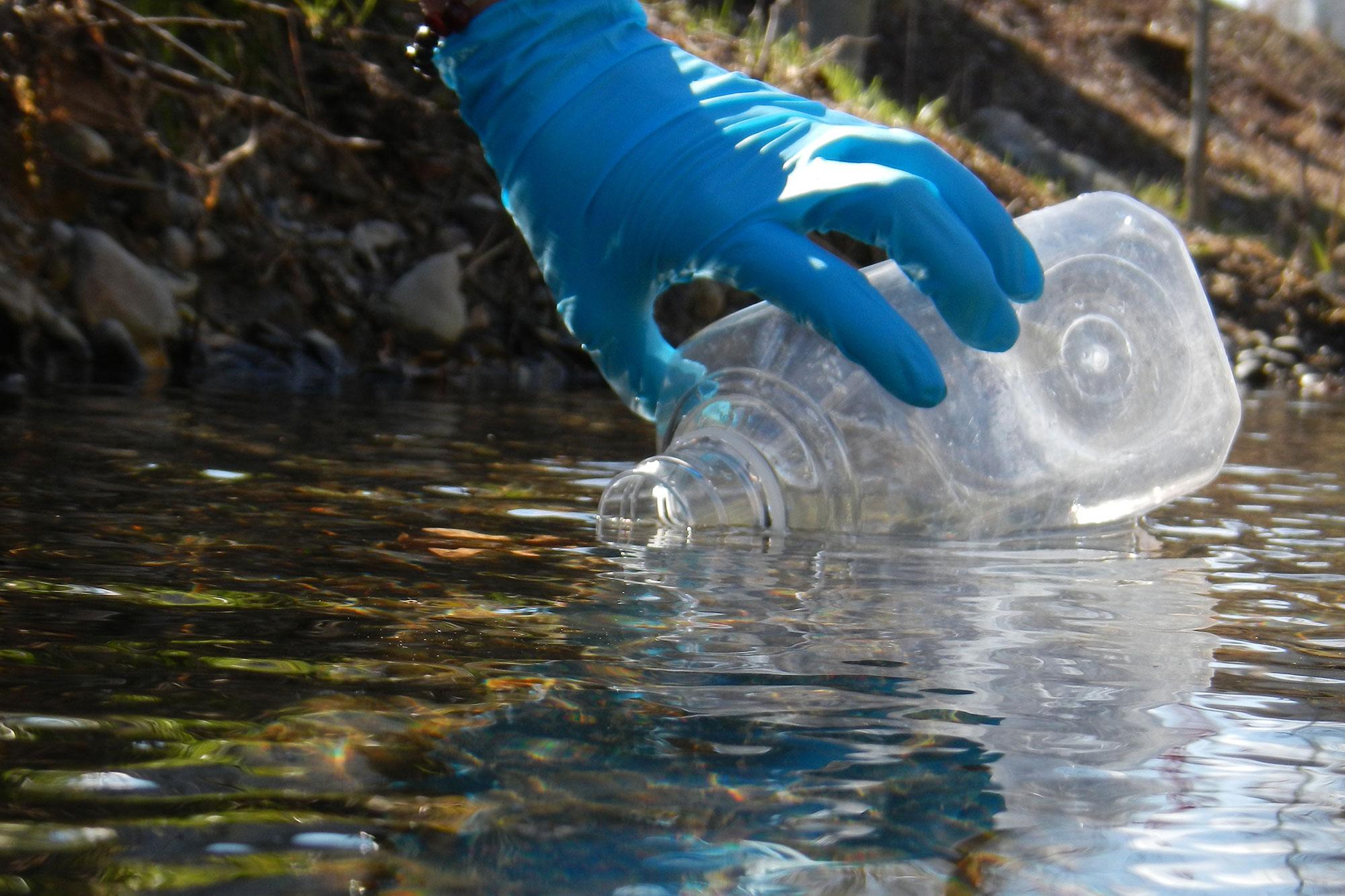
Swiss freshwater ecosystems face growing pressure, yet biodiversity and ecosystem functions remain poorly monitored. This project uses eDNA in rivers and groundwater to deliver reliable indicators that help authorities manage biodiversity and protect ecosystem services.
Project description
Objective
Climate change, pollution and habitat loss are placing freshwater ecosystems under severe strain. These habitats harbour remarkable biodiversity and provide essential services, from clean drinking water and climate regulation to economic and cultural value. Yet they are among the most threatened.
Until now, monitoring has often focused on chemical and hydrological parameters, while information on organisms has been patchy, particularly in groundwater. To close this gap, the project applies environmental DNA (eDNA) analysis, a technology that identifies organisms directly from water samples.
The goal is to embed eDNA in Switzerland’s national monitoring. This will create a robust foundation for policy decisions that protect biodiversity, maintain ecosystem functions and secure the services freshwater systems provide. Building on four existing monitoring programmes, the project will combine them with eDNA methods to generate unified, science-based indicators across rivers and groundwater.
Relevance
The project equips federal and cantonal authorities with the means to use and interpret eDNA-based biodiversity data. Sampling methods will be refined, integrated into existing monitoring programmes and developed into consistent indicators for nationwide application. Ready-to-use toolboxes will provide practitioners with guidance for freshwater monitoring, ensuring that the results are applied in practice.
Transdisciplinary Approach
The project brings together biologists, hydrologists and chemists, working closely with stakeholders across all Swiss cantons. Research questions were developed jointly in workshops to ensure direct relevance for practice.
Training sessions for practitioners, harmonised approaches and co-designed indices, protocols and toolboxes will ensure that the methods can be directly adopted in monitoring programmes at both cantonal and federal level. This will secure long-term impact and ensure that biodiversity monitoring keeps pace with scientific progress.
Original Titel
Future-proofing Freshwater Ecosystems Across Switzerland